

I’ve been growing salad greens for years with hit-or-miss success. Where I live in Zone 8a, the timing is tricky.
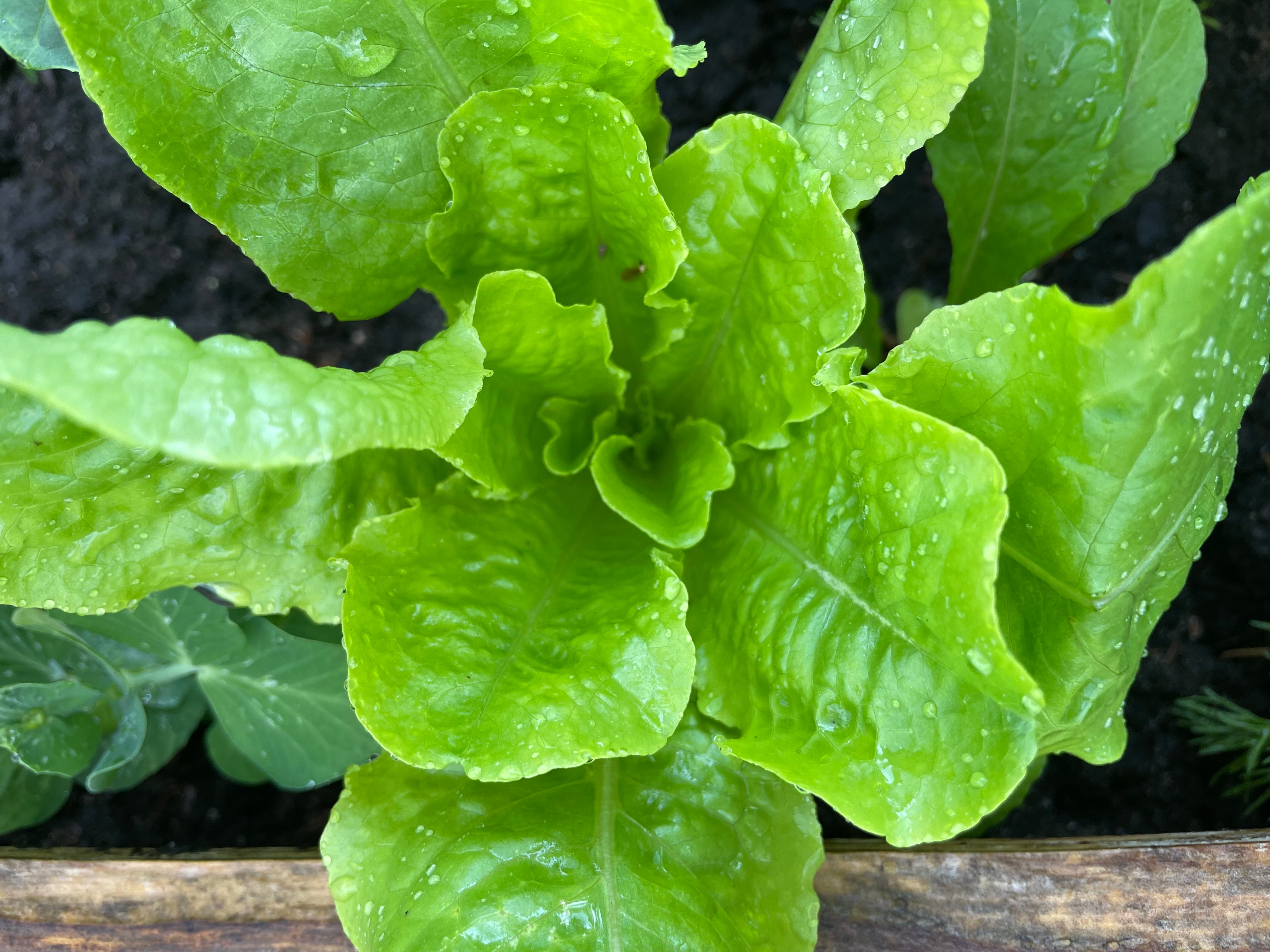
If we follow the instructions on seeds not specifically bred for our hot, humid weather, we often find lettuce bolting before we ever enjoy it and kale eaten up by cabbage worms.
Our average last frost date is somewhere around now, in early to mid-April, which means by this time, we need to be planting our summer salads that are less leafy-green reliant. Think cucumber feta, or caprese, or corn and stone fruit mixtures that hit a completely different note.
I’m closing out this cool season having experienced the most successful leafy green harvests I’ve ever had. I’m defining success like this:
We ate fresh picked salads of romaine, lacinato kale, arugula, butter lettuce or baby spinach in some combination 2-3 times per week since fall (with the exception of those winter storm weeks that set everything back), even harvested enough to bring big homegrown salads to a few parties.
I haven’t bought salad from the store since the early fall.


10 Things I Learned About Salad Success in the South
The cut-and-come again method gives you the most longevity, but requires many more plants, especially if you want to eat baby greens.
To do this you harvest the outer leaves only, rather than harvesting a whole plant. Realistically, that means you need to harvest smaller leaves from a whole bunch of plants to add up to one good salad. But, in a few days time, those plants will be giving you new leaves.
I’ve been doing that for years but I always found myself harvesting so heavily to get a big enough salad that then I had to wait a long time for them to grow back out. This year, I just planted more, more, more.
Cold nights and short days are more important than how hot it gets during the day.
I kept expecting greens to bolt when we’ve had spring days in the 80s… and a few in the 90s. But it was still getting below 50 degrees in the evenings pretty consistently.
It seems like they can handle the heat during the day when it cools off that much in the evening—while the days are still short. Once the days are long and hot, they give up fast.
Harvesting in the cool of the morning really matters.
Yeah, you should probably harvest everything in the cool of the morning, but with greens it makes a very big difference.
They are at their freshest and crispest before the sun is high in the sky.
More tender lettuces sometimes won’t crisp back up if you pick them when they are soft from the sun.
You can keep sowing seeds all cold and cool season.
This is where new gardeners miss the most opportunity.
When you’re harvesting something, be sowing something else.
I like “chaos” sowing seeds for greens because they are so tiny and it’s so easy. Just make sure to water consistently until they sprout. This year, I mostly sprinkled seeds on a self-watering planter, and kept that on my potting table. And then I moved small seedlings to the garden as they got crowded.
Leaving a few plants to bolt for seed for next year saves you money.
When they do start to bolt, don’t pull them all out.
You can let them flower, go to seed, and then harvest the seeds for next season.


A cold frame makes a world of difference, but also—romaine is incredibly cold hardy.
I bought a small cold frame and put it on top of one end of a raised bed and filled that end up with greens. The plants under the cold frame made it through even our deepest freeze stretches of the winter.
But even more of a revelation: Some of the romaine made it through those same stretches without a cold frame. I will grow it forever.
Established roots bounce back after harsh weather.
It’s key not to give up on greens that look damaged after a really hard frost. Trim off wilted leaves, but don’t pull them out right away.
Sometimes they bounce back a few days later. Sometimes they flush out quickly in the early spring because the roots survived.
It’s worth it to try some varieties you don’t like think you like.
I was never a big fan of arugula, and my kids didn’t like it at all.
But when we tried growing it for the first time last year (because in August, it’s one of the only things to be sowing…), we were all surprised to find it milder and sweeter than what we had tasted at stores or restaurants.
Frost really does make things taste good.
Especially more bitter varieties of greens like arugula and kale: a little frost brings out more sweetness.


You’re going to be washing a lot of greens, so find a method that doesn’t annoy you.
Pre-washed spring mix is a thing for a reason.
I got into this habit: Harvest in the morning. Dump all the leaves into my biggest kitchen bowls with icy water and let them chill out for a while.
Spread some clean tea towels on the counter and scatter them over it.
Pull the corners together and shake it a few times. (I’m suddenly understanding the appeal of a salad spinner.)
Store in bags or containers in the fridge with a paper towel.
And there you have it… some fresh observations and learnings about growing greens in the South, just in time for them all to bolt and you to move on to other vegetables ;)
But maybe you can file these thoughts away for early fall?
Very complete sharing of your experience gained knowledge! Thank you.
This is the dream!