

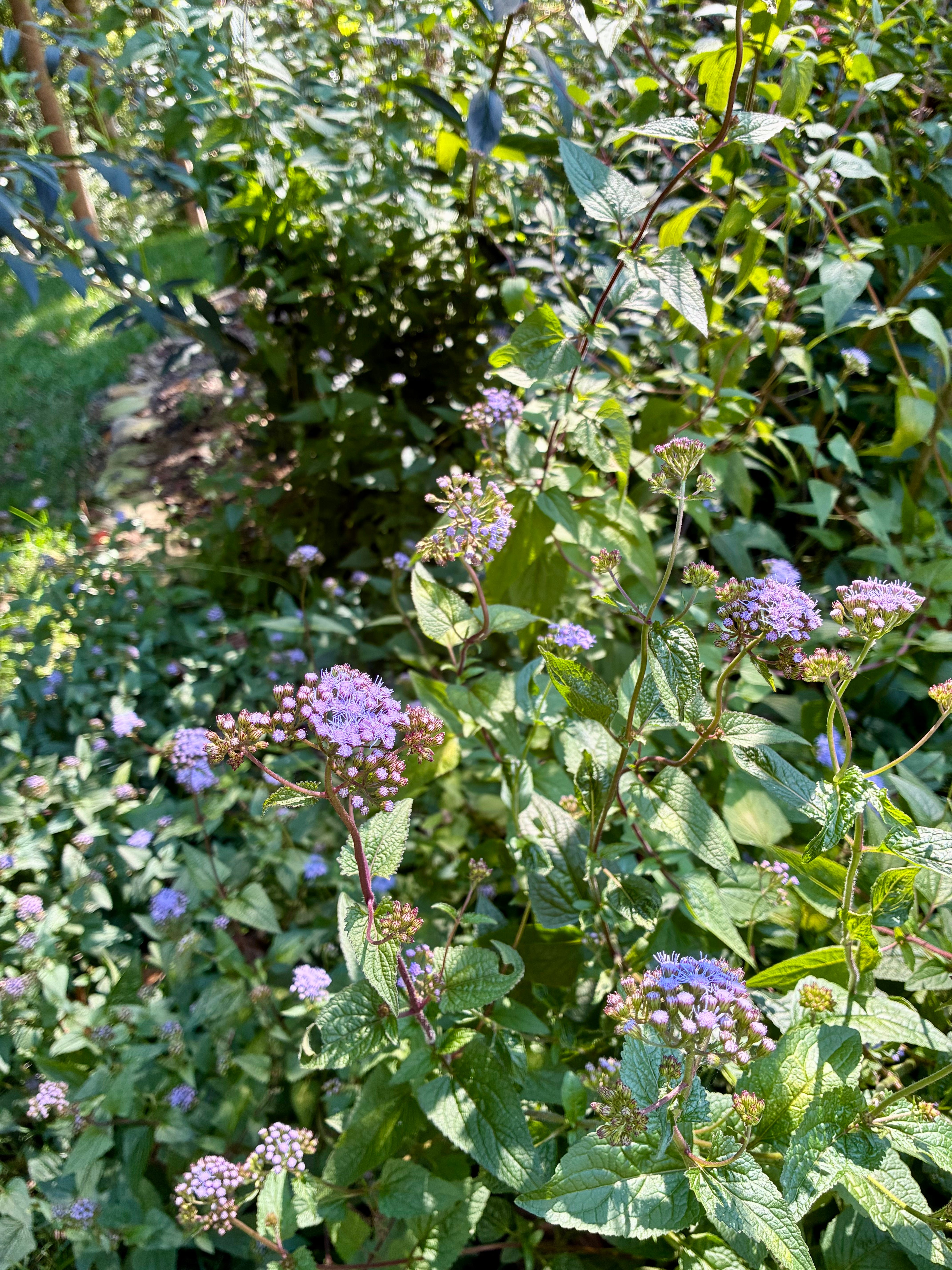
I walked outside last week to find the new bed of native flowers I’ve been tending since spring had been mowed down. I assume (since I didn’t actually see it happen) that my neighbor’s lawn care team didn’t recognize the property line appropriately and wandered out of bounds.
I was sad. And mad. But mostly sad. It’s just flowers, after all.
But then again, it’s not just flowers.
This bed I’ve been nurturing is full of fall-blooming native flowers: asters, blue mistflower, goldenrod, virginia spiderwort, wood sorrel, and violets to cover the ground. I’ve been intentionally trying to blend the area at the back of the cul-de-sac with the woods behind them, giving space to the woodland edge plants that want to be here.
It’s a food source for bees and butterflies later in the season when many other flowers have faded.
I’ve seen news in recent months that the monarch butterfly is making a comeback, and home gardeners were thanked as a small part of the success. So often these days, it feels like nothing we do as individuals adds up to much of anything. But it’s not true. The little things we do add up when many of us do them.
A small consolation from these frustrating events: I asked my neighbor to make sure her lawn crew knows where the property line is for next time, and she was happy to oblige. She asked me to show her where they went off course. I did, and told her it was a native flower bed and maybe they thought it was weeds. (Even though I did have pine needle mulch demarcating the area. Sigh.) She responded with, “What does that mean?” And I got an opportunity to explain.
She was already very familiar with invasive species, as we’ve both been fighting Joro spiders around our adjoining property. I was able to start a conversation. And I hope it eventually lands with that landscape crew.
It’s easy to forget, when we are immersed in online gardening discourse, that most people are disconnected from nature news and current science. After getting angry, this whole ordeal reminded me that a conversation with a real person makes a difference and can have a ripple effect.
She asked me if I thought the flowers would bounce back, and I as I thought about it, the truth is, yes, they likely will. In fact, they already are:
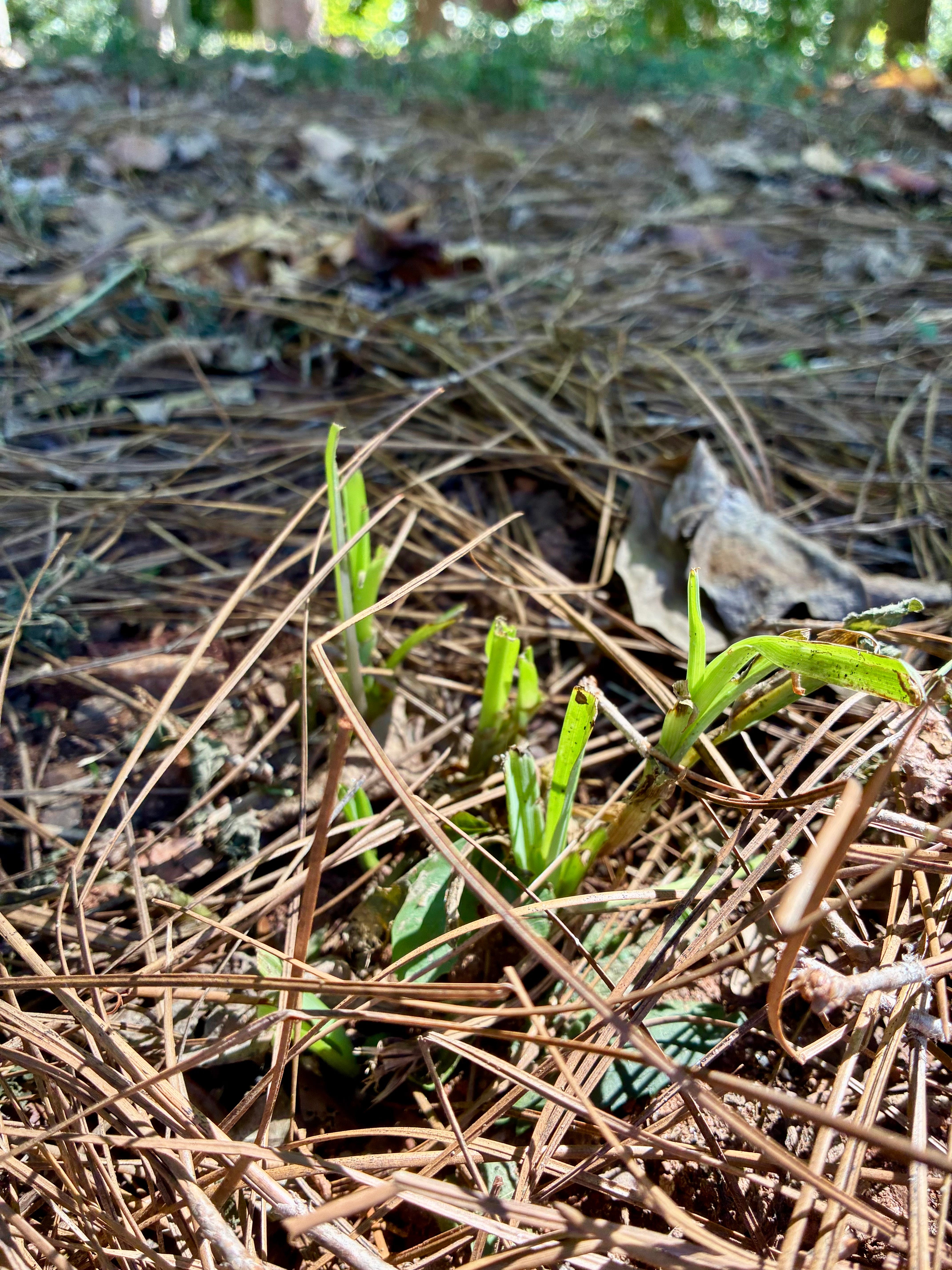
Native plants are incredibly resilient, and that makes them the backbone of the resilience of the whole ecosystem in a stunning way.
Come share plants this weekend! See the details below about the Oct. 3 Plant Share.The little things we do add up when many of us do them.
Fall 2026

This and That
ICYMI
This fall’s free plants event is Saturday, October 3. I hope you can join us in West Greenville from 1-4pm EST! Details below.
It’s a plant swap, yes, but you don’t actually have to bring plants to take some home. And we expect to have lots of natives.
One things that’s true about planting native plants in the fall: Sometimes they don’t look their best. It’s not when they shine, but it’s when they are ready to go in the ground and establish their roots.

Some inspiration for shifting your cooking and eating in a fall direction, if you’re still harvesting “summer” foods.

Book/Podcast
I just discovered the podcast grow, cook, eat, arrange with Sarah Raven & friends. A charming person talking in a British accent about flowers is always delightful.
What I’m Growing

Sowing
Coriander, kale (lacinato and russian red), leeks, lettuce (buttercrunch, deer tongue, romaine, and rouge d’hiver), spinach.
In a few weeks: Garlic and potato onions in the kitchen garden, and native wildflowers and grasses (more on that soon).
Growing
Calendula, figs, lemongrass, Mexican limes, Meyer lemons, nasturtiums, radishes (‘French Breakfast’), peppers (bell, ‘Leysa’, ‘Jimmy Nardello’, and ‘Peach Sugar Rush’)
Harvesting
Arugula, basil, bush beans, chives, cucumbers (almost done), ground cherries, mint (sweet and peppermint), oregano, parsley, peppers (bell), rosemary, sage, squash (butternut), thyme, tomatoes (cherry)


Oh my! So sorry about your native flowers! But you’re right. They are resilient. They will fight to survive!
Oh I’m sorry the bed you’ve been nurturing was mowed down! I can totally related to the sadness you felt. It’s great you were able to have a conversation with your neighbor.